r/BeAmazed • • 1d ago

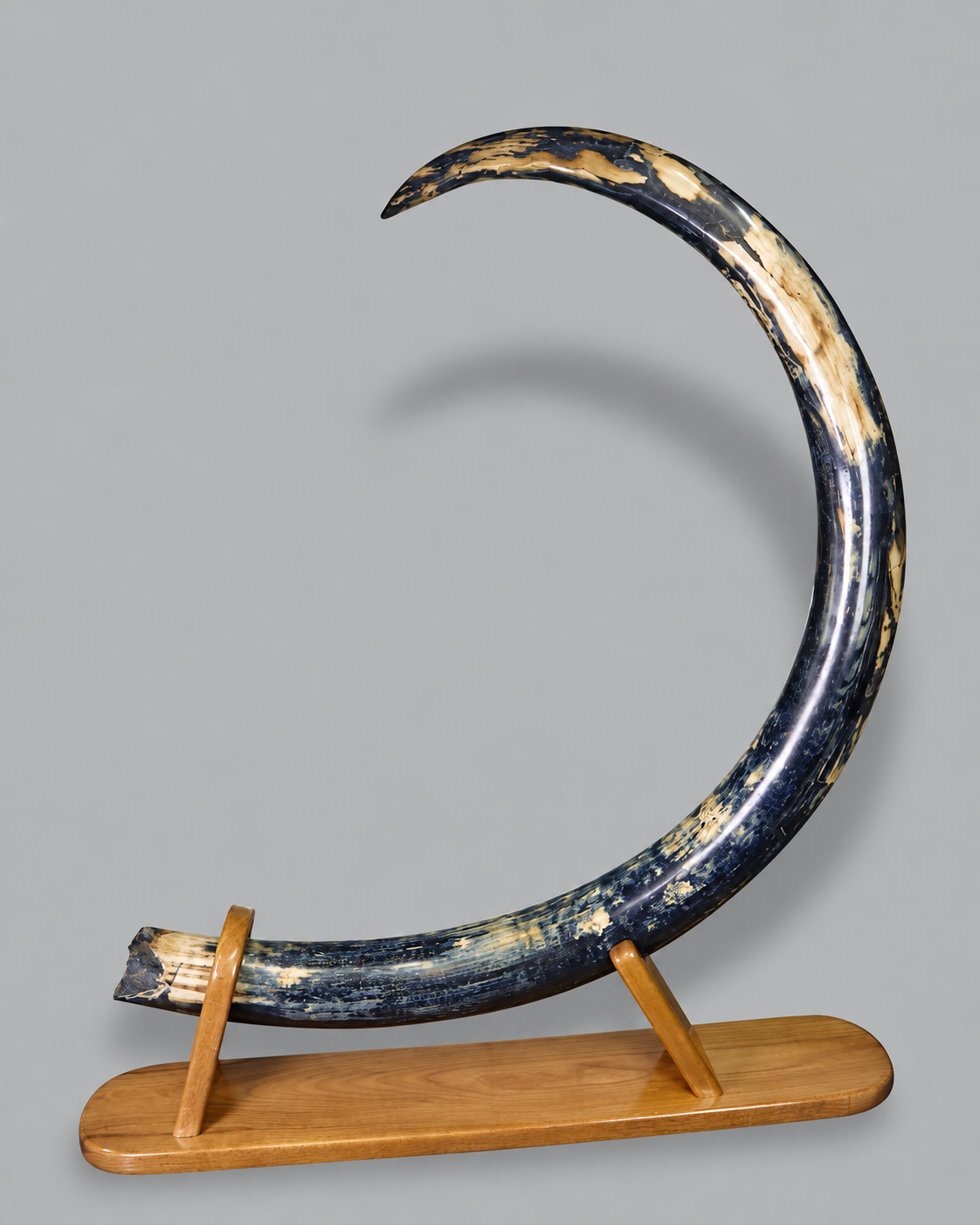
Nature This rare, 30,000-year-old blue mammoth tusk was discovered in Alaska in 2017.
Post image

The blue coloration is believed to develop when animal remains that are low in iron but high in phosphates are buried in damp sediment that is rich in iron but poor in phosphates.

The tusk was reportedly put up for auction, although its estimated value was not disclosed.

1.0k Upvotes

10 comments sorted by

View all comments

5

u/Spartan2470 18h ago

Here are more pictures of this. Here is the source, which provides the following information:

This stunningly blue, 9.75 foot long woolly mammoth tusk is in impeccable condition and totally complete. It is an unbelievable discovery from Kotzebue, Alaska. One of the most extraordinary tusks ever found! Perfect for distinguished collectors, high-end galleries, luxury hotels and offices.

Its natural coloration is stunning - sought-after, rare blue vivianite is present throughout the majority of the tusk. Interlaced with light, creamy hues, the blue and white colours mirror planet earth as viewed from outer space. Bone, teeth and tusk fossils can occasionally change to a beautiful blue colour: apatite, consisting of calcium phosphate, reacts with iron and transforms to vivianite, a gorgeous green-blue mineral.

This is an excellent investment fossil because of its impressive size, solid and dense ivory, completeness, true blue coloration and high degree of curvature. A blue tusk of this calibre may never surface again on the market!

Ready to be displayed in home, office or museum with a custom-made, hand-crafted oak stand that dramatically elevates the tusk and highlights its breathtaking curvature.

The tusk measures 9.75 feet (297 cm) long along the outer curve and 119 lbs (54 kg), with a circumference of 18.5 inches (47 cm).

Display dimensions, as measured on stand: 11" depth x 48" width x 62" height (28 x 122 x 157.5 cm).

Only minimal restoration. Lengthwise cracks - which appear in virtually all large tusks - were professionally repaired in house. Preparation process was about 4 months total, in addition to a longer period of drying. We've added a pic of it soon after excavation and early in preparation. Complete transparency is our goal and we also think the work done by our preparator, Oleg, was phenomenal.

Fossil mammoth ivory can be distinguished from present-day elephant ivory by the angle of crosshatching (Schreger lines) and can be traded internationally. There are no CITES restrictions on the international trade of mammoth ivory.

This specimen was legally collected by a Native Alaskan.

4

u/Horseshoe_dodgeball 16h ago

"Ready to be displayed in home"

Babe, a new artifact just dropped. Come look at what I bought for the breakfast nook we never use.